Start Your Study Abroad Journey Today
Get one-to-one counselling on courses, universities, visas, and career pathways abroad.
Overview Study in Australia?
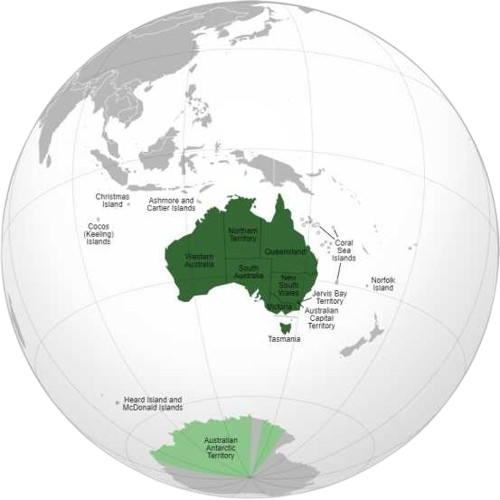
Australia is one of the most welcoming, safe, and student-friendly countries in the world. With clean cities, beautiful landscapes, and a multicultural lifestyle, it offers an environment where international students feel comfortable and supported. Australian universities are globally recognised for their strong academics, modern facilities, and practical, career-focused learning. Public transportation, including buses, trams, and trains, is reliable and easy to use. Students can explore thousands of courses and build a successful future in a country known for its high quality of life and excellent student support.
➢ Australia ranks among the top study destinations in the world and is known for its high-quality education system.
➢ Nine Australian universities are ranked among the top 100 universities globally as per QS Rankings.
➢ Australia consistently ranks high for safety, quality of life, and student satisfaction.
➢ Ranks 18th safest country in the world as per the Global Peace Index 2025.
➢ Ranked 8th globally for work–life balance as per the Global Life-Work Balance Index 2025.
➢ Students can choose from 22,000+ courses across 1,100 institutions.
➢ Graduates can apply for a post-study work visa ranging from 2 to 6 years, depending on their qualification and study location.
➢ Australia is home to several cities ranked among the Best Student Cities in the world due to safety, affordability, and lifestyle.
➢ Scholarships and financial aid options are available for international students.
For Indian students, studying in Australia is a smart and promising choice. Australian universities welcome a large number of Indian students every year and provide excellent academic support and job opportunities. With globally recognized degrees, internship options, a friendly environment, and a bright career outlook, Australia remains one of the best study destinations for Indian students aiming for a secure and successful future.
Process?
An education pathway is the structured journey a student follows from school into higher education, vocational training, and eventually into a professional career. It helps learners plan what qualifications they need, what courses to study, and how each stage connects to future goals. A well-designed pathway ensures that education is not just a collection of random courses, but a clear, progressive route to achieving skills, knowledge, and employment.
1. Understanding the Starting Point
The pathway process usually begins with understanding the student’s current level of education. This could be secondary school, higher secondary school, or an equivalent qualification. At this stage, students begin to explore their interests, abilities, and career goals. Guidance counsellors, teachers, parents, or career advisors often support students in identifying what fields they may want to pursue, such as engineering, healthcare, business, information technology, trades, or creative arts.
This stage is important because many courses have entry requirements. For example, a student who wants to study medicine needs strong grades in science subjects, while a student interested in design may need a portfolio. Understanding the starting point helps to identify whether the student is ready for the next stage or needs bridging programs or foundation studies.
2. Exploring Education Options
Once the student has identified an area of interest, the next step is researching available education options. These may include:
Vocational Education and Training (VET): Practical, skills-based programs such as certificates and diplomas.
Higher Education / University Degrees: Bachelor’s, Master’s, and Doctoral programs.
Foundation or Pathway Programs: Designed to help students meet academic or language requirements.
Short Courses and Professional Certifications: For skill development or specialization.
Students also consider factors such as course length, cost, university ranking, location, delivery mode (on-campus or online), and career outcomes. Education providers often publish detailed course guides explaining subjects, assessments, internships, and graduate opportunities.
Benefits?
An education pathway is a structured plan that guides a student from one stage of learning to the next. It connects different levels of study, such as school, vocational courses, diplomas, undergraduate degrees, postgraduate programs, and professional qualifications. Pathways allow students to enter education at a level that suits their skills, interests, and previous learning, while still giving them opportunities to progress to higher levels in the future. Instead of education being a single straight road, pathways create multiple flexible routes that help students move toward their career goals at their own pace.
Education pathways are especially common in countries with strong tertiary systems, such as Australia, the United Kingdom, Canada, and New Zealand. For example, a student might begin with an English language course, move on to a vocational education and training (VET) program, progress to a diploma, and later enter the second year of a bachelor’s degree. Others may start directly in university or choose to work in between studies. What makes education pathways powerful is that they recognise different learning styles, life circumstances, and career ambitions.
Choose Your Study Destination
Enquiry form
Top Universities Of Australia
University of Melbourne
University of Sydney
University of New South Wales (UNSW Sydney)
Australian National University (ANU)
Monash University
University of Queensland (UQ)
University of Western Australia (UWA)
University of Adelaide
University of Tasmania
Macquarie University